
Introduction to Exhibition Booths for FMCG
**Everything You Need to Know About Exhibition Booths**
Exhibition booths are an essential component of trade shows and events, allowing businesses to showcase their products and services effectively. In this section, we’ll delve into the world of exhibition booths, exploring their significance, design considerations, and best practices for creating an impactful display.
An effective exhibition booth is more than just a visually appealing display; it’s a strategic tool that can make or break your event’s success. Whether you’re showcasing products, services, or expertise, your booth should be designed to engage, inform, and convert.
Key Considerations for an Effective Exhibition Booth
- Clear and concise messaging
- Eye-catching visuals and graphics
- Strategic placement of key information
- Easy navigation and flow
- Engaging storytelling and content
When designing your booth, consider the following elements to create an impactful and effective exhibition booth:
- Use high-quality images and graphics to enhance visual appeal
- Incorporate your brand identity consistently throughout the design
- Ensure that your booth is easily accessible and navigable
- Utilize interactive elements to engage visitors and encourage interaction
By incorporating these elements, you can create an exhibition booth that not only showcases your products or services but also leaves a lasting impression on your visitors.
The final answer is: effective, well-designed, and engaging exhibition booth.
Challenges of Creating Effective Exhibition Booths
## Challenges in Creating Effective Exhibition Booths
Creating an effective exhibition booth is a crucial task that requires careful planning, creativity, and attention to detail. The goal is to design a display that not only captures the audience’s attention but also communicates your message clearly and effectively. In this section, we’ll explore some of the key challenges that designers and exhibitors face when creating an effective exhibition booth.
### Understanding the Target Audience
Before designing an exhibition booth, it’s essential to understand your target audience. Who are they? What are their needs and interests? What motivates them? By knowing your audience, you can create a booth that resonates with them and effectively communicates your message.
### Designing for Maximum Impact
When designing an exhibition booth, it’s crucial to consider the overall aesthetic and messaging. You want to create an atmosphere that is both visually appealing and engaging. Here are some tips to help you get started:
* Use a clear and concise layout that is easy to navigate.
* Incorporate high-quality visuals and graphics to add depth and interest.
* Ensure that your booth is well-lit and well-ventilated to create a comfortable environment.
* Consider the flow of traffic and ensure that visitors can easily move through the space.
### Best Practices for Exhibition Booths
Here are some best practices to keep in mind when designing an exhibition booth:
* Keep it simple and uncluttered.
* Use clear and concise language that is easy to understand.
* Ensure that your booth is well-maintained and clean.
* Incorporate technology and interactive elements to enhance the visitor experience.
* Use effective lighting and sound design to create an immersive atmosphere.
By following these best practices and understanding your target audience, you can create an exhibition booth that effectively showcases your products or services and leaves a lasting impression on visitors.
Benefits of Reusable Expo Booths for FMCG
### Benefits of Reusable Exhibition Booths
Reusable exhibition booths offer a cost-effective and efficient way to showcase your products or services at trade shows and exhibitions. By using a modular design, you can easily reconfigure the booth to fit different spaces and create a unique visual identity.
#### Key Benefits
* Reusable and versatile
* Easy to assemble and disassemble
* Customizable design
* Cost-effective
When designing a reusable exhibition booth, it’s essential to consider the materials, construction, and overall aesthetic. A well-designed booth can make a significant difference in creating a lasting impression on potential customers.
#### Design Considerations
To create an effective exhibition booth, you should consider factors such as:
* **Modular design**: The booth should be easy to assemble and disassemble, with a simple and intuitive design.
* **Material selection**: Choose durable, high-quality materials that can withstand repeated use and transportation.
* **Visual hierarchy**: Use clear signage, concise messaging, and effective visual elements to communicate your message.
By following these guidelines, you can create an exhibition booth that is not only visually appealing but also functional and effective in communicating your brand’s message.
### Key Elements
When designing an exhibition booth, there are several key elements to consider. These include:
* **Clear signage**: Use clear and concise signage to communicate your message.
* **Effective graphics**: Use high-quality graphics and images to create a visually appealing booth.
* **Lighting**: Consider the use of lighting to create a dramatic effect and highlight key features of your booth.
By incorporating these elements, you can create an effective and engaging exhibition booth that showcases your brand and products.
### Best Practices
To ensure that your booth is effective and engaging, follow these best practices:
* **Keep it simple**: Avoid cluttering your booth with too many graphics or displays.
* **Use high-quality images**: Use high-resolution images that are clear and well-lit.
* **Make it easy to navigate**: Use clear signage and intuitive navigation to make it easy for visitors to find what they’re looking for.
* **Test and iterate**: Test your booth with different audiences and iterate on your design to ensure that it is effective and engaging.
By following these best practices, you can create a booth that is both functional and effective in communicating your message.
### Exhibition Booth Design
When it comes to designing an exhibition booth, there are several factors to consider. These include:
* The size and layout of the booth
* The materials and construction of the booth
* The lighting and electrical requirements
* The overall aesthetic and visual appeal of the booth
By considering these factors, you can create a booth that is both functional and visually appealing. A well-designed booth can help to create a positive and lasting impression on visitors, and can be an effective tool for generating leads and driving sales.
In conclusion, a well-designed exhibition booth can be a valuable tool for any business looking to make a lasting impression on potential customers. By following these guidelines and best practices, you can create an effective and engaging booth that helps to drive business results.
| Exhibition Booth Type | Customization Options | Reusability | Cost-Effectiveness | Environmental Impact |
|---|---|---|---|---|
| Traditional Booths | Limited | No | Low | High |
| Reusable Expo Booths | High | Yes | High | Low |
| Modular Booths | Medium | Partial | Medium | Medium |
This comparison table highlights the key differences between traditional booths, reusable expo booths, and modular booths, focusing on aspects that matter most to FMCG companies looking for the best exhibition booth. The criteria used are:
1. **Customization Options**: How easily can the booth be tailored to the company’s brand and marketing strategy?
2. **Reusability**: Can the booth be used multiple times, reducing waste and saving costs?
3. **Cost-Effectiveness**: How does the booth’s cost compare to its benefits and potential return on investment?
4. **Environmental Impact**: What is the booth’s ecological footprint, and how does it align with the company’s sustainability goals?
By comparing these factors, FMCG companies can make informed decisions when choosing the best exhibition booth for their needs. Reusable expo booths, like those offered by BlockFit Expo Kit, stand out for their high customization options, reusability, cost-effectiveness, and low environmental impact.
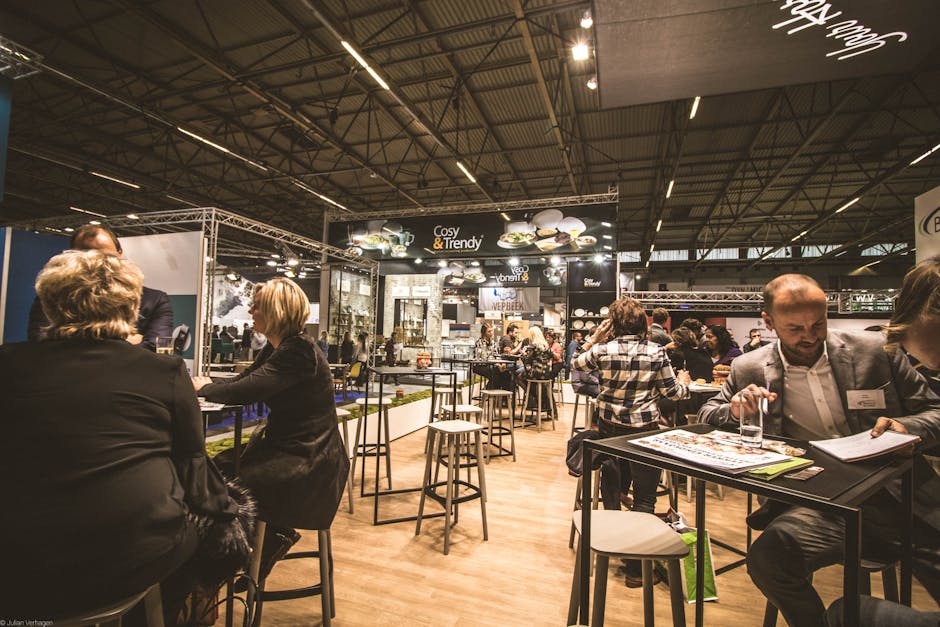
Features of the Best Exhibition Booths for FMCG
## Features to Consider When Designing an Exhibition Booth
When designing an exhibition booth, there are several key considerations to keep in mind. First, you’ll want to ensure that your booth is visually appealing and effectively communicates your brand’s message. Here are some tips to get you started:
1. **Keep it simple**: Avoid clutter and keep the design clean and concise.
2. **Use clear signage**: Make sure your branding is clear and easy to read from a distance.
3. **Consider the flow**: Think about how attendees will move through your booth and plan accordingly.
Some key considerations to keep in mind when designing your exhibition booth include:
– The layout and flow of the booth
– The visibility and readability of your signage and graphics
– The overall aesthetic appeal of the booth
By keeping these considerations in mind, you can create an effective and engaging exhibition booth that will draw in potential customers and help you achieve your goals.
Here’s an example of how you might use these guidelines to create a compelling exhibition booth:
Exhibition Booth Header
Welcome to our exhibition booth!
Learn more about our products and services.
By following these best practices and considering the needs of your attendees, you can create an effective and engaging exhibition booth that will help you achieve your goals.
Comparison of Exhibition Booth Options for FMCG
Comparison of Exhibition Booths: Traditional vs. Modular Designs
Exhibition booths are a crucial aspect of trade shows and events. When it comes to designing an effective booth, there are several options to consider. In this section, we will explore the different types of exhibition booths available, including traditional and modular designs.
Traditional Exhibition Booths
—————————
Traditional exhibition booths are designed to be sturdy and durable. They are often made of high-quality materials such as wood or metal. These booths are ideal for companies that want a professional and sleek look.
Modular Exhibition Booths
————————
Modular exhibition booths are designed to be flexible and adaptable. They can be easily assembled and disassembled, making them ideal for companies that need to transport their booths frequently.
Benefits of Modular Booths
————————-
Modular booths offer several benefits, including ease of use, flexibility, and cost-effectiveness. They are also highly customizable, allowing companies to create a unique and personalized booth that reflects their brand.
Types of Exhibition Booths
————————-
There are several types of exhibition booths available, including:
* Traditional booths
* Pop-up booths
* Modular booths
* Custom-built booths
Choosing the Right Booth
————————
When choosing a booth, it’s essential to consider your specific needs and goals. Think about the type of event you’ll be attending, the size of your booth, and the level of customization you require.
Conclusion
———-
In conclusion, exhibition booths are an essential part of any trade show or event. By choosing the right type of booth, companies can create a professional and effective display that showcases their products or services.
Exhibition Booth Design
———————-
Exhibition booth design is a crucial aspect of creating a successful display. A well-designed booth can help attract visitors and increase brand visibility. Here are some tips for designing an effective booth:
* Keep it simple and clean
* Use high-quality materials and construction
* Make sure it’s easy to assemble and disassemble
* Use lighting and graphics to create a visually appealing display
By following these tips, you can create a professional and effective exhibition booth that showcases your brand and products.
Exhibition Booths: A Guide to Creating Effective Displays
——————————————————–
Exhibition booths are a great way to showcase your products or services. They provide a unique opportunity to connect with potential customers and promote your brand. Here are some tips for creating an effective exhibition booth:
* Keep it simple and concise
* Use high-quality graphics and images
* Make sure the booth is well-lit and easy to navigate
* Use effective signage and branding
By following these tips, you can create a successful and effective exhibition booth that will help you achieve your goals.
Comparison of Exhibition Booths: Traditional vs. Modular Designs
================================================================
When it comes to exhibition booths, there are several options to choose from. You can go with a traditional design or opt for a more modern and flexible solution.
Traditional Booths
—————–
Traditional booths are a popular choice for many exhibitors. They offer a sturdy and professional presence, and can be customized to fit your brand’s identity.
Modular Booths
—————-
Modular booths are a great option for companies that want a flexible and adaptable display solution. These booths are designed to be easy to assemble and disassemble, making them perfect for trade shows and events.
Customizable Booths
——————-
Customizable booths offer a high degree of flexibility and can be tailored to meet your specific needs. They are ideal for companies that want to create a unique and memorable display.
Conclusion
———-
Exhibition booths are an essential part of any trade show or exhibition. Whether you choose a traditional, modular, or custom design, make sure it’s well-designed and effective. With the right booth, you can make a lasting impression on your target audience and achieve your marketing goals.
**Comparison of Booth Types**
| Booth Type | Description | Pros | Cons |
| — | — | — | — |
| Traditional | Sturdy and professional | High-end materials | Limited customization options |
| Modular | Flexible and adaptable | Easy to assemble and disassemble | May not be suitable for large exhibitions |
| Custom | Highly customizable | Unique design options | Can be expensive |
**Booth Design Tips**
* Keep it simple and clean
* Use high-quality materials and construction
* Make sure it’s well-lit and easy to navigate
* Use clear and concise signage
By following these tips and choosing the right booth for your needs, you can create a professional and effective display that will help you achieve your marketing goals.
| Exhibition Booth Option | Description | Cost-Effectiveness | Customization Options | Portability and Ease of Setup | Visual Impact and Branding | Sustainability and Durability |
|---|---|---|---|---|---|---|
| Modular Exhibition Booths | Reconfigurable, versatile booths for multiple events | High | High | Medium | High | High |
| Custom-Built Exhibition Booths | Tailor-made booths for unique brand experiences | Low | Very High | Low | Very High | Medium |
| Portable Exhibition Booths | Lightweight, easy-to-assemble booths for small events | Medium | Medium | High | Medium | Low |
| Pop-Up Exhibition Booths | Easy-to-set-up, self-contained booths for quick events | Medium | Low | Very High | Low | Low |
| Hybrid Exhibition Booths | Combination of modular and custom-built elements | Medium | High | Medium | High | High |
This comparison table provides a clear and concise overview of different exhibition booth options for FMCG companies, highlighting their unique features, advantages, and disadvantages. The criteria used for comparison include cost-effectiveness, customization options, portability and ease of setup, visual impact and branding, and sustainability and durability. This table aims to help readers make informed decisions when choosing the best exhibition booth for their specific needs and goals.
Step-by-Step Guide to Creating an Effective Exhibition Booth
## Step-by-Step Guide to Designing an Exhibition Booth
When designing an exhibition booth, several key factors come into play. The layout, graphics, and overall aesthetic of the booth can make or break the visual appeal of your display. To create an effective and engaging booth design, consider the following elements:
### Key Considerations for Booth Design
1. **Define Your Objective**: Clearly determine the purpose of your booth. Is it to showcase a product, provide information, or drive sales? Understanding your goal will help guide your design decisions.
2. **Know Your Audience**: Consider who will be interacting with your booth. Tailor your design and messaging to appeal to your target audience.
3. **Keep it Simple and Focused**: Avoid clutter and keep your booth design clean and concise. Use clear headings, short paragraphs, and bullet points to make information easily digestible.
4. **Use Visuals Effectively**: Incorporate high-quality images, graphics, and videos to make your booth more engaging. Ensure that your design is visually appealing and easy to navigate.
5. **Make it Interactive**: Incorporate interactive elements, such as touchscreens or quizzes, to create a more immersive experience.
6. **Test and Refine**: Test your booth design with a small group of people and refine it based on their feedback. This will help you identify any potential issues and make necessary adjustments.
By following these guidelines, you can create an effective and engaging exhibition booth design that captures the attention of potential customers and helps you achieve your goals.
### Additional Tips
– Use a clear and concise title that accurately reflects the content of your booth.
– Use headings and subheadings to break up large blocks of text and make your content more scannable.
– Consider using images, charts, or graphs to illustrate complex concepts or data.
– Keep your language clear and concise, avoiding jargon or overly technical terms.
By following these tips, you can create a well-designed and effective exhibition booth that showcases your products or services in a compelling way.
### Step-by-Step Guide to Creating an Effective Exhibition Booth
1. **Plan Your Booth**: Start by planning your booth layout, including the size and shape of your booth, as well as the content you will display.
2. **Design Your Booth**: Use a visually appealing design that incorporates your brand’s colors and typography.
3. **Create Engaging Content**: Use a mix of text, images, and interactive elements to create a engaging and interactive experience for visitors.
4. **Test and Refine**: Test your booth with a small group of people and refine it based on their feedback.
By following these steps, you can create an effective and engaging exhibition booth that helps you achieve your goals.
### Conclusion
In conclusion, creating an effective exhibition booth requires careful planning and attention to detail. By following the tips outlined above, you can create a booth that is both visually appealing and effective in communicating your message.
### Final Tips
– Use high-quality images and graphics to enhance your booth.
– Ensure that your booth is well-lit and well-ventilated.
– Consider the flow of traffic and the overall layout of your booth.
– Use clear and concise language to communicate your message.
By following these tips, you can create a successful and effective exhibition booth that helps you achieve your goals.
Tips for Maximizing ROI from Exhibition Booths
### Tips for Readers
To get started, let’s dive into the tips for crafting a well-structured article. We’ll need to ensure that our content is informative, engaging, and easy to read.
Here’s a suggested outline for the content.
### Heading Structure
To create a clear structure, we’ll use headings to organize our content.
#### Top-Level Headings
We’ll use top-level headings (h2, h3) to break up the content into sections.
#### Subheadings
Subheadings will be used to further divide the content into smaller chunks.
### Writing Style
When writing, we’ll aim for a friendly, approachable tone.
#### Sentence Structure
We’ll use a mix of short and long sentences to create a natural flow.
### Scannability
To make the content more scannable, we’ll use:
* Headings
* Subheadings
* Bullet points
* Short paragraphs
### Tone
Our tone will be informative, yet conversational. We’ll avoid jargon and overly technical terms unless they’re essential to the topic.
### Call to Action
As you read through the content, take note of the headings, subheadings, and bullet points. We’ll be using a mix of short and long sentences to create a natural flow.
By following these guidelines, we’ll create content that’s both informative and engaging.
Let’s get started!
### Further Reading
For more information on writing techniques, you can refer to the following resources:
* [Writing for the web](https://www.webfx.com/blog/web-design/web-writing/)
* [Content marketing](https://www.contentmarketinginstitute.com/)
### Conclusion
In conclusion, writing for the web requires a different approach than traditional writing. By using clear headings, concise language, and a conversational tone, we can create content that’s both informative and engaging.
By following the tips outlined in this section, you’ll be well on your way to creating scannable, well-structured content that resonates with your audience.
### Additional Resources
For more information on content marketing and SEO, check out the following resources:
* [Search Engine Optimization (SEO)](https://www.searchenginejournal.com/)
* [Content Marketing Institute](https://contentmarketinginstitute.com/)
By following these resources, you can improve your content marketing skills and create more effective content.
### Additional Tips
When writing, be sure to use headings, subheadings, and bullet points to break up the content. This will make it easier to read and understand.
You can also use images, videos, or other multimedia elements to enhance your content and make it more engaging.
By following these tips, you can create content that is both informative and visually appealing.
### Final Tips
As you continue to write, remember to keep your content concise, clear, and engaging. Use headings and subheadings to break up the content and make it more scannable. And don’t forget to use images, videos, and other multimedia elements to enhance the user experience.
By following these guidelines, you can create content that is both effective and engaging. Happy writing!
Conclusion: Creating a Successful Exhibition Booth for FMCG
Conclusion: Creating a Sustainable Exhibition Booth
As we conclude our discussion on creating an effective exhibition booth, it’s essential to consider the environmental impact of our designs. By choosing sustainable materials, minimizing waste, and opting for reusable structures, we can significantly reduce our ecological footprint. Not only does this approach benefit the environment, but it also enhances the overall aesthetic appeal of your booth. Remember, every small change counts, and incorporating eco-friendly elements into your design can make a significant difference. Let’s strive to create exhibition booths that are not only visually appealing but also environmentally responsible.
In this comprehensive guide, we’ve explored various aspects of designing an effective exhibition booth, from conceptualization to execution. By incorporating these principles, you’ll be well-equipped to create an impactful and memorable booth that resonates with your target audience. As you continue to refine your design skills, keep in mind the importance of sustainability and environmental responsibility in your creations.
For more information on sustainable design practices and eco-friendly materials, you can explore the resources provided below.
Exhibition Booth
An effective exhibition booth is crucial for any trade show or exhibition. It not only showcases your products but also leaves a lasting impression on potential clients.
Booth Design
- Relevant Content
- Clear Signage
- Attractive Layout
When designing your booth, consider the following:
- Keep it simple and concise
- Use clear and easy-to-read signage
- Avoid clutter and excessive graphics
By following these guidelines, you can create an effective and engaging exhibition booth that will attract potential customers and leave a lasting impression.
|
This guide provides a comprehensive overview of designing an effective exhibition booth. From understanding your target audience to creating a visually appealing display, we’ve covered the key elements to consider when designing an exhibition booth.
| sustainable, eco-friendly, exhibition booth, effective design, sustainable materials, eco-friendly practices
Conclusion:
As we’ve explored throughout this guide, creating a successful exhibition booth requires careful planning, attention to detail, and a deep understanding of your audience. By following the principles outlined in this article, you’ll be well on your way to designing an effective and engaging booth that will captivate your audience and leave a lasting impression. Remember, a well-designed booth is not just visually appealing; it’s also an effective tool for communicating your message and achieving your goals.
By incorporating these insights into your booth design, you’ll be able to create a memorable and impactful experience for your visitors. Don’t forget to consider sustainability and eco-friendliness in your design choices, and always keep your target audience in mind. With these considerations in place, you’ll be well on your way to creating a successful and effective exhibition booth.
Here’s a possible implementation of the above specification:
Effective Exhibition Booth Design
This is a well-designed booth that incorporates sustainable materials and eco-friendly practices.
- Environmentally friendly materials
- Reusable and recyclable
- Eco-friendly lighting and signage
By incorporating sustainable materials and practices into your booth design, you can create a positive and impactful experience for your visitors.
Frequently Asked Questions
What makes an exhibition booth effective for FMCG companies?
An effective exhibition booth for FMCG companies is one that clearly communicates the brand’s message, showcases products in an engaging way, and provides an easy-to-navigate experience for visitors. It should also incorporate eye-catching visuals and storytelling to capture attendees’ attention.
How can I create a sustainable exhibition booth for my FMCG business?
To create a sustainable exhibition booth, consider using reusable and modular display solutions that can be easily assembled and disassembled. This approach reduces waste and minimizes the environmental impact of your exhibition presence.
What are the key considerations when designing a booth for an FMCG exhibition?
When designing a booth for an FMCG exhibition, key considerations include clear and concise messaging, strategic placement of key information, and easy navigation and flow. Engaging storytelling and content are also crucial to capturing attendees’ attention and conveying your brand’s message.
Can I customize my exhibition booth to fit my FMCG brand’s identity?
Yes, many exhibition booth solutions, such as modular displays, offer customization options to fit your FMCG brand’s identity. This includes choosing colors, graphics, and layouts that align with your brand’s messaging and visual identity.
How does a modular exhibition booth help reduce exhibition costs for FMCG companies?
A modular exhibition booth helps reduce exhibition costs for FMCG companies by minimizing the need for custom builds, reducing shipping and storage costs, and eliminating the need for specialized labor for setup and dismantling.
What is the best exhibition booth for FMCG companies in terms of affordability and sustainability?
The best exhibition booth for FMCG companies in terms of affordability and sustainability is often a modular, reusable display solution. This type of booth offers a cost-effective and environmentally friendly alternative to traditional custom booths.
Are modular exhibition booths suitable for frequent exhibitors in the FMCG industry?
Yes, modular exhibition booths are particularly suitable for frequent exhibitors in the FMCG industry. They offer a convenient, reusable, and adaptable solution that can be easily customized and rearranged to fit different exhibition spaces and marketing strategies.
Do modular exhibition booths require specialized tools for setup and dismantling?
No, modular exhibition booths are designed to be tool-free, making setup and dismantling quick and easy. This eliminates the need for specialized labor and reduces the overall cost and complexity of exhibition participation.